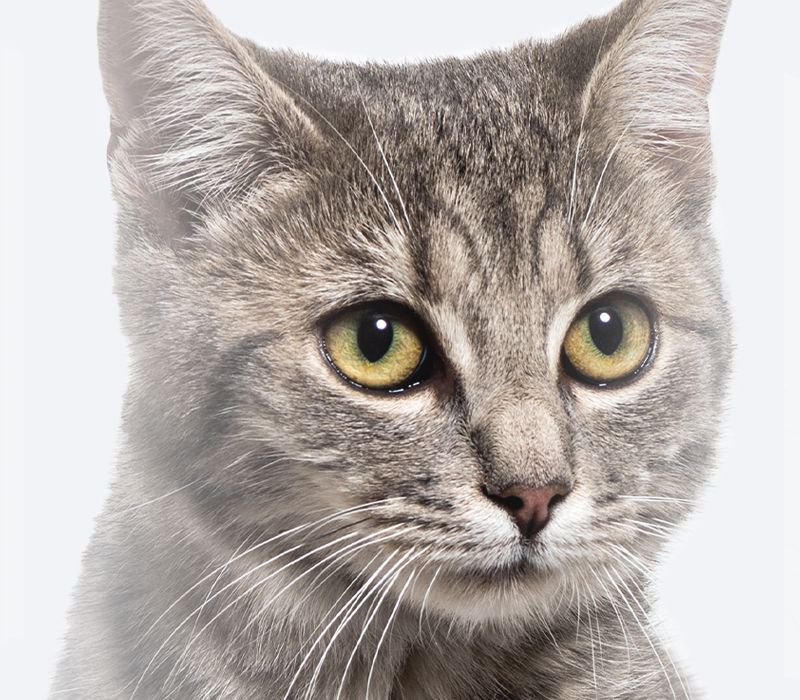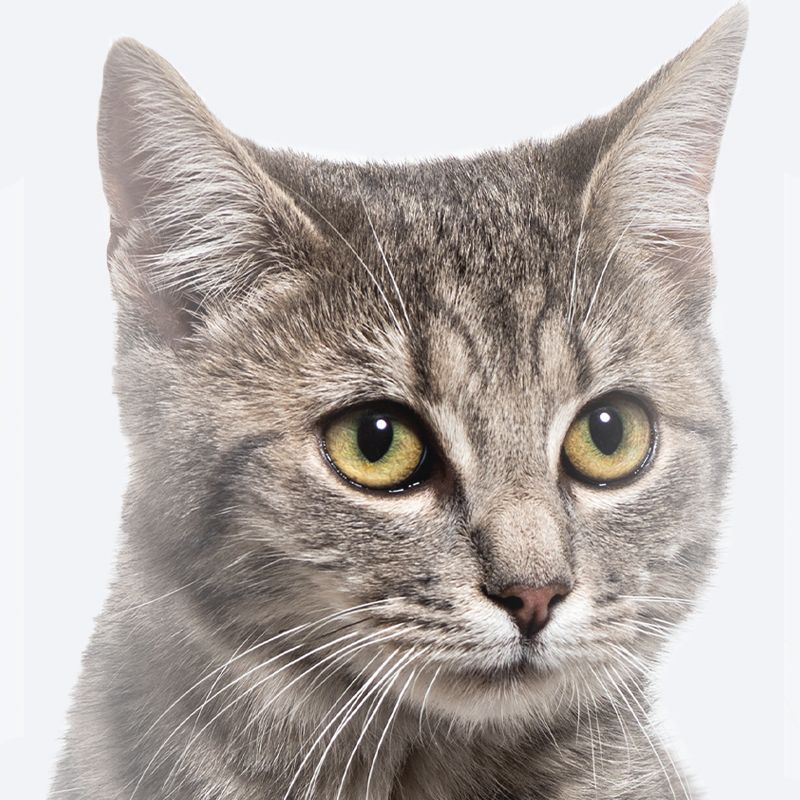


If your dog or cat is starting to slow down, senior years can bring a mix of sweet moments and new worries. Maybe your pet hesitates before jumping into the car, seems stiffer in the morning, or is suddenly picky about food. Senior Pet Care is all about noticing those small changes early and making life more comfortable day to day.
At Small Animal Emergency Hospital of Westfield, we support dogs and cats in Westfield, IN and nearby communities like Westfield, Carmel, and Noblesville with Emergency Vet care and guidance that fits real life. We provide urgent and emergency care, we are open 7 days a week, we offer business-hours care (not 24 hours), and same-day appointments are available when timing matters.

Tip 1: Support joints and movement at home
Stiffness and arthritis are common as pets age, and even mild discomfort can change how your pet rests, climbs stairs, or gets up from the floor. Senior Pet Care often starts with simple home updates that reduce slipping and protect sore joints.
Keep activity consistent, not intense. A few short walks and gentle play help maintain strength without overdoing it.
Quick win: Add a non-slip runner to the path your pet uses most.
Helpful upgrades to consider:
- Use a supportive bed with low sides for easy entry.
- Add a step or ramp for couches and beds.
- Keep food and water in an easy-to-reach spot.
Tip 2: Refresh nutrition for older pets and track weight trends
Nutrition needs can shift with age, and weight changes can be an early clue that something is off. Some pets gain weight as activity decreases, while others lose weight due to dental pain or underlying illness. Senior Pet Care includes keeping an eye on body condition so you can adjust quickly.
A simple routine can make this easier, especially if multiple family members feed treats.
Quick win: Weigh your pet once a month and save the number in your phone.
Small habits that help:
- Measure meals instead of free-feeding.
- Keep treats small and consistent.
- Bring your pet’s food label or a photo to your next visit.
Tip 3: Make dental care realistic and routine
Dental disease can affect comfort and overall wellness, and many pets hide mouth pain. If your pet eats slower, drops kibble, or has bad breath, it is worth paying attention. Senior Pet Care gets easier when oral care is built into the routine in small, low-stress steps.
If you want a general overview of common health issues in senior pets, guidance from the American Veterinary Medical Association can be a helpful starting point.
Quick win: Do a 10-second mouth check twice a week.
What to look for:
- Red gums or visible tartar buildup
- Drooling or pawing at the mouth
- Chewing on one side or avoiding crunchy food
Tip 4: Keep grooming comfortable and purposeful
Grooming is not just cosmetic. Brushing supports skin health, reduces matting, and helps you spot changes sooner. Many senior pets have a harder time self-grooming, and some get sore in their hips, back, or shoulders. Senior Pet Care includes keeping grooming calm and predictable so it does not become stressful.
Aim for short sessions when your pet is relaxed. For some pets, brushing after a meal works better than brushing before a walk.
Quick win: Brush for 2 minutes when your pet is already settled.
A few grooming check-ins that matter:
- Check nails for overgrowth that can change posture.
- Watch for new lumps, bumps, or sensitive areas.
- Look for dry skin, dandruff, or thinning coat.
Tip 5: Plan wellness checkups that match senior needs
Changes in sleep, appetite, thirst, mobility, and behavior can be subtle, and senior pets do not always show obvious signs of discomfort. Regular wellness visits help catch concerns earlier, when options are often simpler. Senior Pet Care works best when you bring your observations and questions, even if you are not sure what they mean yet.
Quick win: Keep a one-week notes log when you notice a new change.
Include details like:
- Appetite and water intake
- Energy level and activity tolerance
- Any vomiting, diarrhea, coughing, or panting changes
- Short videos that show the behavior you are concerned about
Local next steps with Small Animal Emergency Hospital of Westfield
When your senior pet is having a rough day, it helps to know you have options. Small Animal Emergency Hospital of Westfield provides urgent and emergency care and is open 7 days a week, with same-day appointments available during business hours (not 24 hours). Senior Pet Care is more manageable when you have a plan and a team you can reach quickly.
If you would like support for your dog or cat, Schedule an appointment.
Longer, happier years are built on small habits, timely check-ins, and comfort-focused adjustments at home. We are here to help you keep your pet feeling steady, supported, and cared for through every stage of life.