
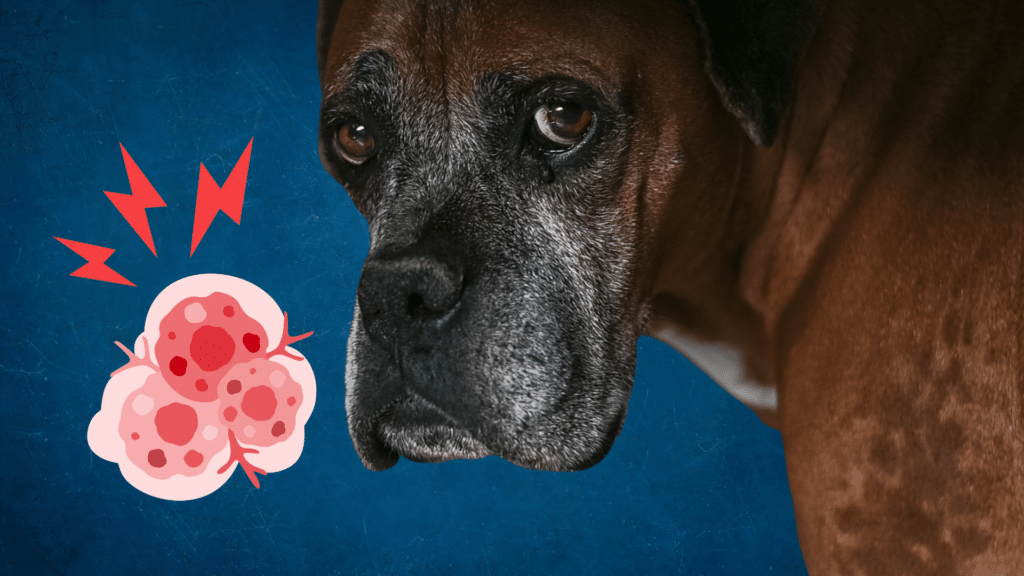
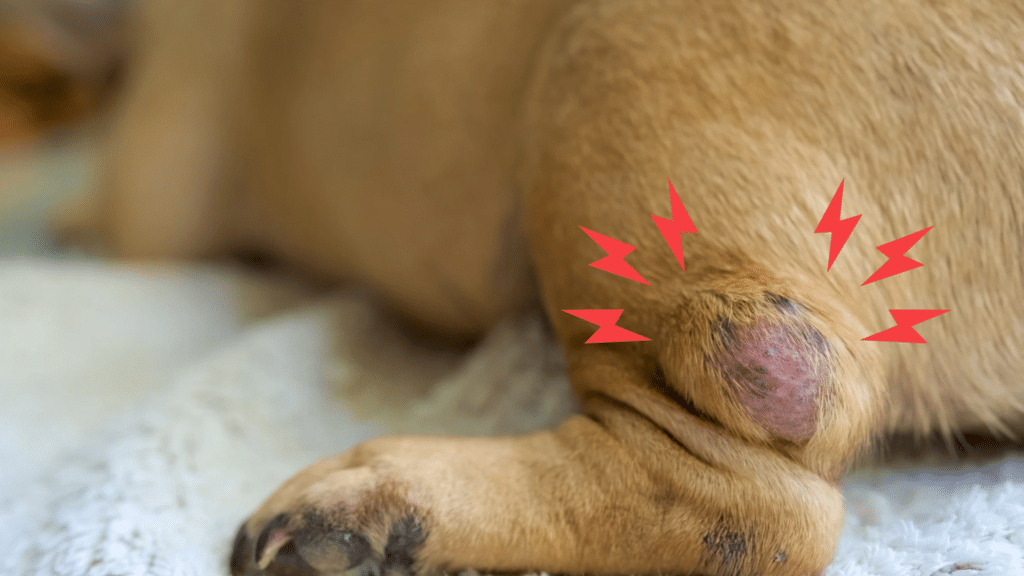
A lump that suddenly looks larger, starts bleeding, or makes your dog uncomfortable can leave you unsure how quickly to seek care. You may also be wondering about cancer in dogs and whether the growth signals something serious. A lump alone cannot answer that question, but your dog’s symptoms can determine how urgently they need an examination.
Small Animal Emergency Hospital of Westfield cares for dogs and cats with same-day appointments available. If you are worried about a growth or a sudden change in your pet’s condition, call to discuss what you are seeing.
A Lump Is a Finding, Not a Diagnosis
Bumps can develop because of cysts, fatty growths, inflammation, infections, or cancerous tumors. Benign masses do not spread elsewhere in the body, although they can still become painful or interfere with normal activities. The risk of cancer in dogs increases with age, and certain breeds have a higher risk of particular cancers.
Symptoms That Can Change the Urgency
A new bump or a change in an existing one warrants veterinary advice, particularly if it enlarges quickly, becomes painful, or develops an open wound. Possible signs of cancer in dogs also include unexplained weight loss, stiffness, difficulty breathing, sores that do not heal, unusual bleeding from body openings, lethargy, and changes in appetite. These symptoms have other possible causes and cannot confirm cancer on their own.
Get an urgent veterinary assessment for your dog right away if a lump is accompanied by marked discomfort, significant swelling, or a sudden decline in your dog’s condition. If there are no other symptoms, it is still a good idea to schedule a visit or contact a vet.
What Happens During an Urgent Evaluation?
An urgent evaluation at Small Animal Emergency Hospital of Westfield begins with assessing your dog’s immediate condition and addressing any needs that cannot wait. The veterinarian will ask when you noticed the growth, how it has changed, and whether your dog has other symptoms.
Depending on the findings and your dog’s condition, a veterinarian will potentially recommend a biopsy of the mass. Further investigation or ongoing care may involve your regular veterinarian or a specialist, with recommendations based on the examination and any test results.
Check for Changes on Your Pet’s Skin
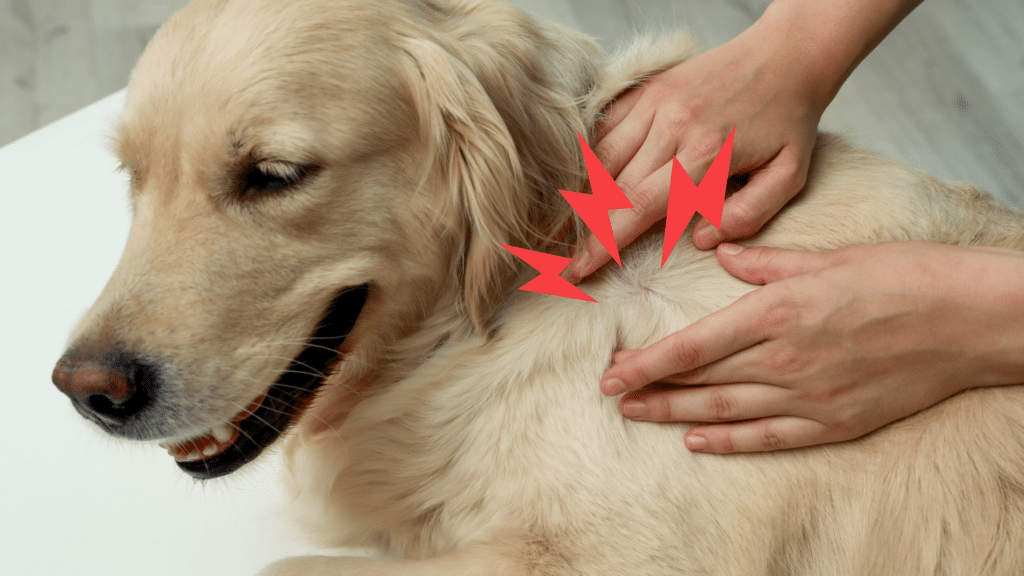
Gentle checks during petting or brushing can reveal new bumps, especially as your dog ages. Run your hands lightly over their head, body, and legs, noting changes without squeezing, puncturing, or repeatedly handling a growth.You should also lift their lips to look for unusual tissue, sores, or bleeding inside the mouth.
Stop if your pet resists or appears painful, since discomfort can make even a friendly dog bite. Photograph or record new findings when you can, and have changes evaluated with a veterinarian.
Cancer Can Develop Without an Obvious Mass
Some types of cancer in dogs affect internal organs or blood cells without producing a visible skin lump. Persistent changes in appetite, weight, energy, or behavior still warrant veterinary evaluation. A normal skin check cannot rule out illness. Sudden or severe symptoms need urgent attention even when you have found no growth at all.
Call Small Animal Emergency Hospital of Westfield for a Concerning Lump On Your Dog
Small Animal Emergency Hospital of Westfield provides urgent and emergency care for pets from Westfield, Carmel, Noblesville, and nearby areas. If you are unsure how quickly your dog needs assessment, contact our team and describe the lump and any accompanying symptoms.
Try not to assume the worst, but do not overlook signs that your dog is unwell. If cancer is diagnosed, we can explain the findings. Our immediate focus is your dog’s condition, comfort, and urgent medical needs.