
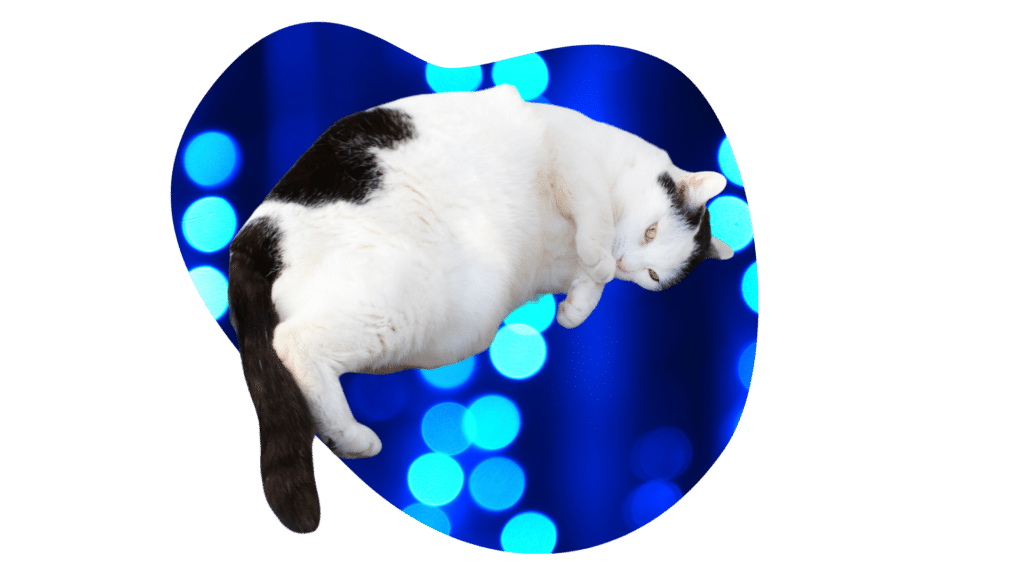
A cat that seems rounder through the middle or less eager to jump may leave you wondering whether you have an overweight cat. Weight changes often happen gradually, so the difference may be difficult to spot from one day to the next.
Healthy body condition supports comfortable movement, grooming, and everyday activity. When your cat begins gaining weight, a veterinary evaluation gives you a clearer picture of body condition and whether another health concern deserves attention.
Why Extra Pounds Are More Than a Cosmetic Concern
Excess body fat puts added pressure on joints and may make grooming, jumping, and play more difficult. An overweight cat may face increased risk for diabetes, arthritis, urinary concerns, and other health problems that could turn into emergencies. Reduced mobility may affect quality of life, particularly for older cats or pets already managing another condition. Addressing weight changes early gives a veterinarian an opportunity to evaluate overall health and discuss appropriate next steps.
Everyday Reasons Cats Gain Weight
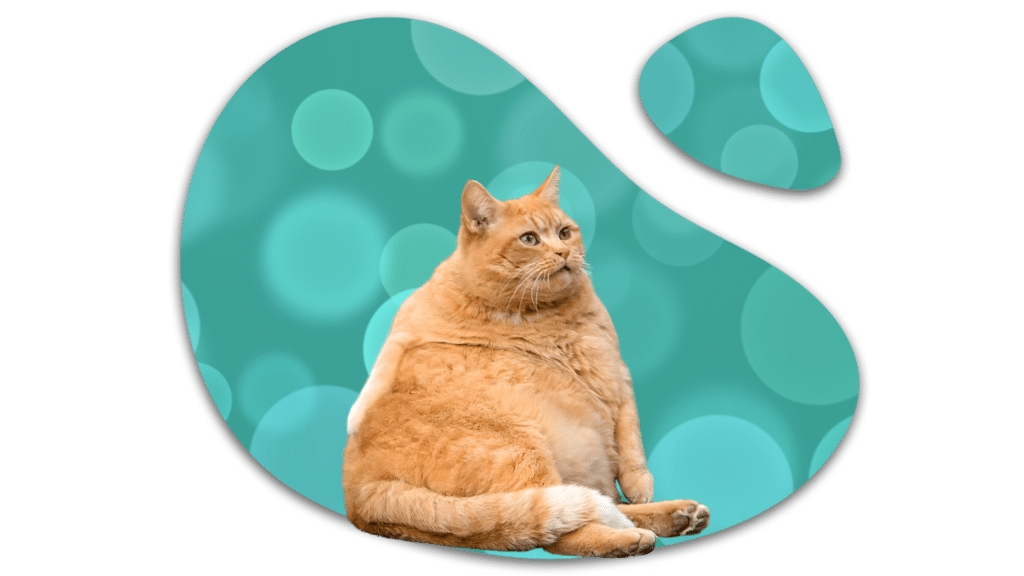
Portion sizes and calorie intake are common contributors to feline weight gain, particularly when treats or extra meals add more calories than a cat uses. Lower activity levels may contribute when an indoor cat spends less time playing or moving. Age, metabolism, and spay or neuter status may influence energy needs as well. Medical conditions or medications may contribute in some cases, which makes unexplained or rapid weight gain worth discussing with a veterinarian.
What Your Cat’s Shape May Tell You
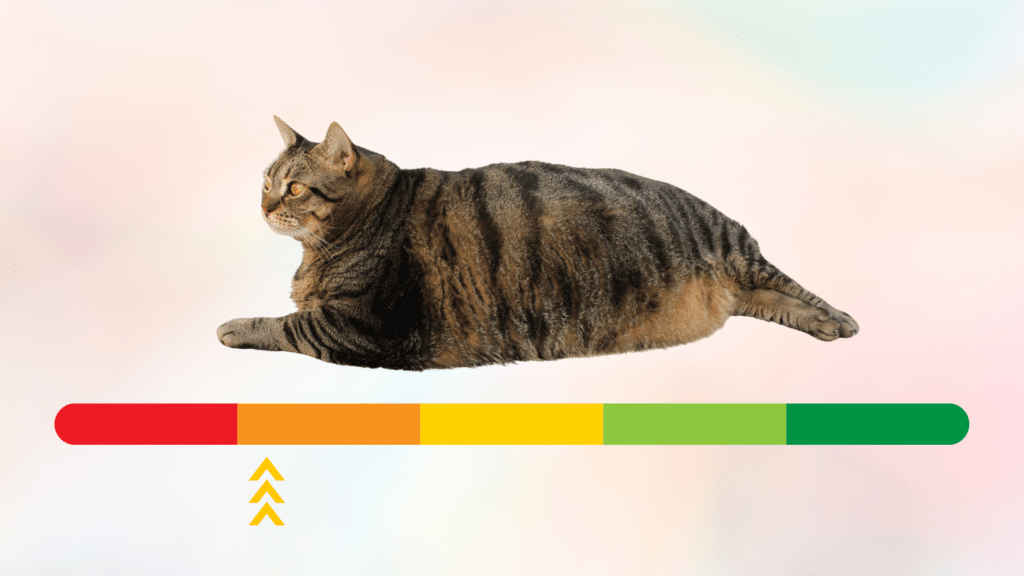
Look at your cat from above and from the side, then gently feel along the ribs. A cat at a healthy weight usually shows some definition behind the ribs, and the ribs should be noticeable beneath a light layer of tissue. A rounded outline, little waist definition, or ribs that are difficult to feel may indicate an overweight cat. This at-home scoring chart for cats provides a visual reference for body condition, though a veterinary evaluation is the better source for an individual assessment.
When Weight Gain Needs Veterinary Attention
A veterinary visit is important when weight gain appears suddenly or occurs with changes in appetite, thirst, grooming, energy, breathing, or litter box habits. If weight gain occurs alongside an urgent change in your cat’s condition, Small Animal Emergency Hospital of Westfield can assess the immediate concern and determine appropriate next steps.
Three Safer Moves Before Changing Food
- Avoid crash diets or severe food restriction, since rapid feline weight loss carries serious health risks.
- Record meals, treats, and recent changes in appetite so the veterinary team has useful information during an evaluation.
- Seek veterinary guidance before making major diet changes, particularly when weight gain appears suddenly or accompanies other concerning signs.
Addressing Urgent Weight Concerns for Local Cat Owners in Westfield, IN
Small Animal Emergency Hospital of Westfield serves pet owners from Westfield, Carmel, Noblesville, and Fishers with urgent and critical veterinary care. If an overweight cat develops sudden weakness, breathing changes, marked appetite changes, or another urgent concern, prompt veterinary evaluation may be appropriate. Contact our team regarding same-day urgent or emergency care during business hours.
Steady weight management generally belongs with a cat’s regular veterinarian, while sudden or concerning changes may require more immediate attention. Watching weight trends, appetite, mobility, and behavior gives pet owners useful information to share with the veterinary professionals evaluating their cat.